

01/12/2025
Big Steps from a Young Laboratory at Sabancı University: Innovative Approaches to the Blood–Brain Barrier and Brain Diseases
The main goal of the studies carried out by Dr. Nur Mustafaoglu and her team in the Faculty of Engineering and Natural Sciences is to decipher the blood-brain barrier (BBB). In this regard, organ chip models, stem cell technologies, and nanotechnology are being utilized. In the laboratory, the unknown aspects of the interactions between the blood–brain barrier and brain diseases such as epilepsy, cancer, and Alzheimer’s are being uncovered. These studies also pave the way for developing innovative strategies for the treatment of these conditions.
The work carried out at the Mustafaoğlu Laboratory is progressing with international collaboration. Three of the novel projects supported by national and international funds have been completed, and 11 are ongoing. Most recently, Dr. Mustafaoglu received €1.5 million in support from the European Research Council (ERC) for her META-Brain Project. This project examines how lung cancer cells cross the BBB and metastasize to the brain.
The Path to Success
Dr. Nur Mustafaoglu, who pursued a consistent path throughout her education and is conscious of her goals, is one of the most valuable scientists our country has raised. She completed her undergraduate studies at İstanbul Technical University (İTÜ), majoring in Molecular Biology and Genetics Engineering with a double major in Physics Engineering. She also received her master's degree in Nanoscience and Nanoengineering from İTÜ. Later, she received a Fulbright scholarship to pursue her doctorate in bioengineering at the University of Notre Dame in the USA.
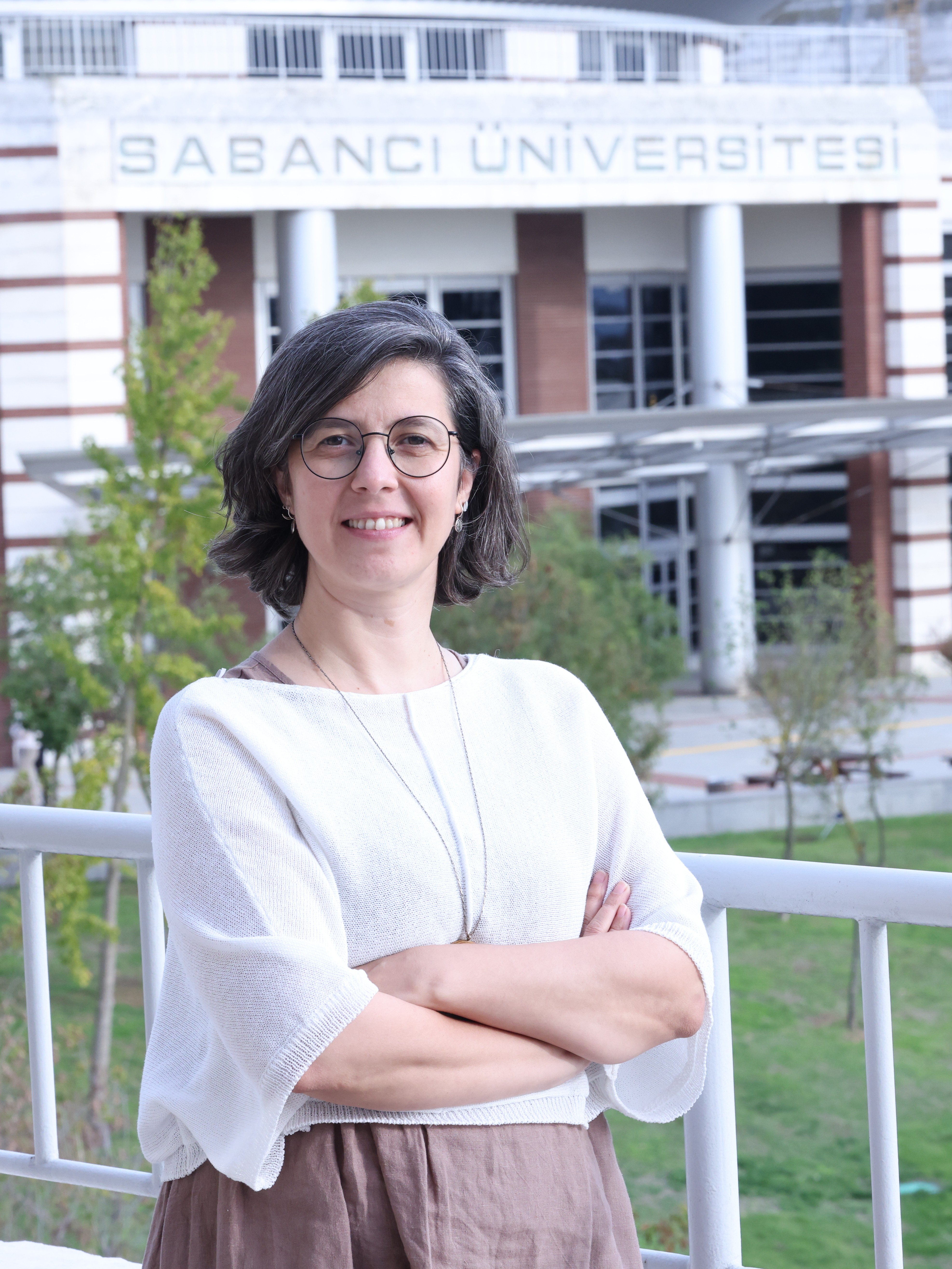
After PhD, she worked at the Wyss Institute at Harvard University, led by biologist and bioengineer Prof. Donald E. Ingber, gaining experience in organ-chip technology. She returned to Türkiye in 2021 and established her laboratory at Sabancı University.
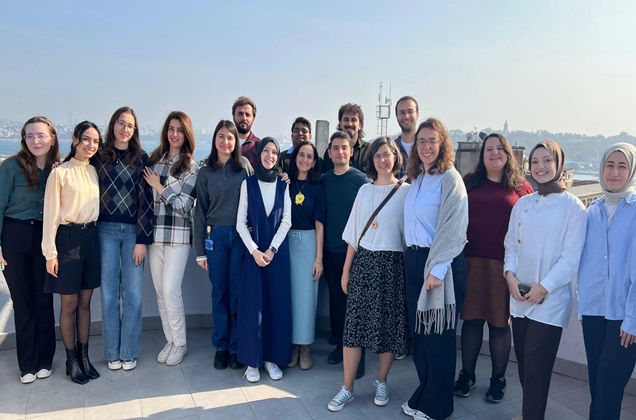
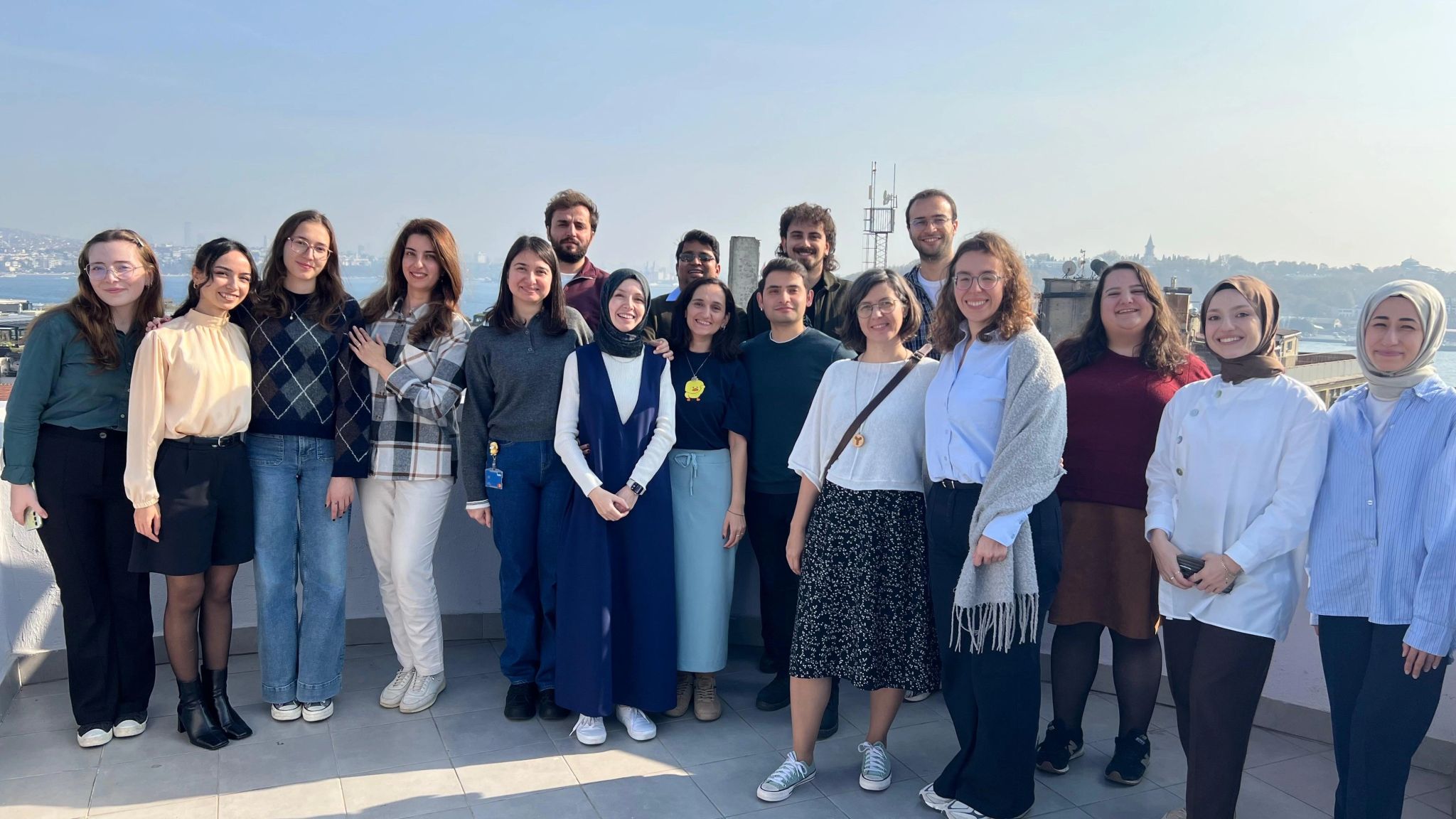
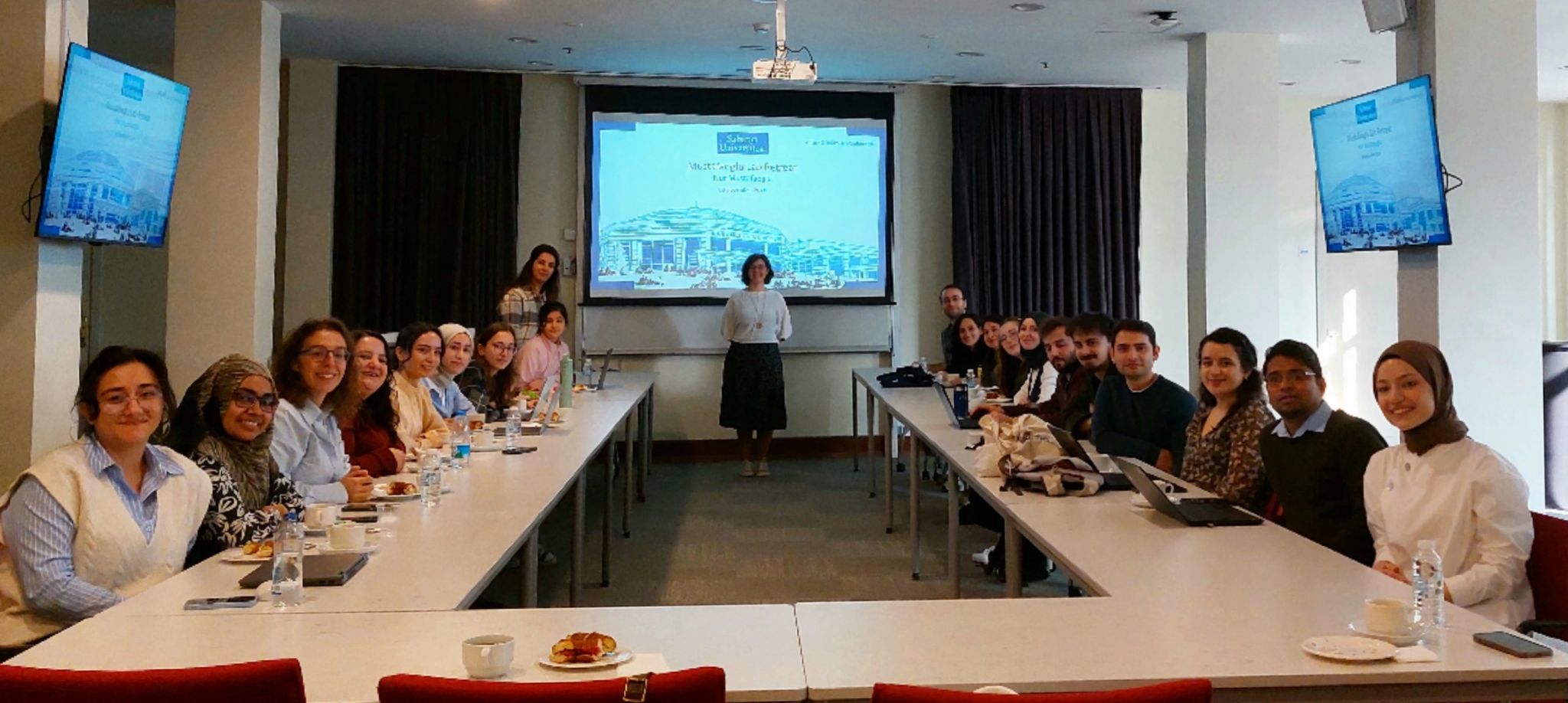
For the past five years, she has been working with around 20 doctoral and postdoctoral students on projects that will pave the way for personalized treatments for brain diseases.
Why is the blood-brain barrier important?
So, what is the blood-brain barrier, which scientists are so focused on? Mustafaoğlu says the BBB is a specialized, complex vascular structure that protects the brain from harmful substances and toxins in the blood while allowing the passage of nutrients essential for neuronal functions. In short, it is a selectively permeable structure. Formed by endothelial cells, astrocytes, and pericytes, it allows the passage of water, gases, and some lipid-soluble substances, while blocking the passage of many small and large molecules, including drugs. This structure evolved to protect the brain.
The BBB poses serious problems in the treatment of neurological diseases due to the challenges it creates in reaching the central nervous system. It prevents drugs from passing into the brain in the treatment of brain tumors such as glioblastoma.
The reason why many research centers around the world are focusing on BBB studies is to decipher this partial permeability. As Mustafaoglu states, the goal, in short, is to ensure the desired drug is administered at the desired time and in the desired dose, without being stuck in this barrier and without disrupting this barrier.
How can the BBB be overcome?
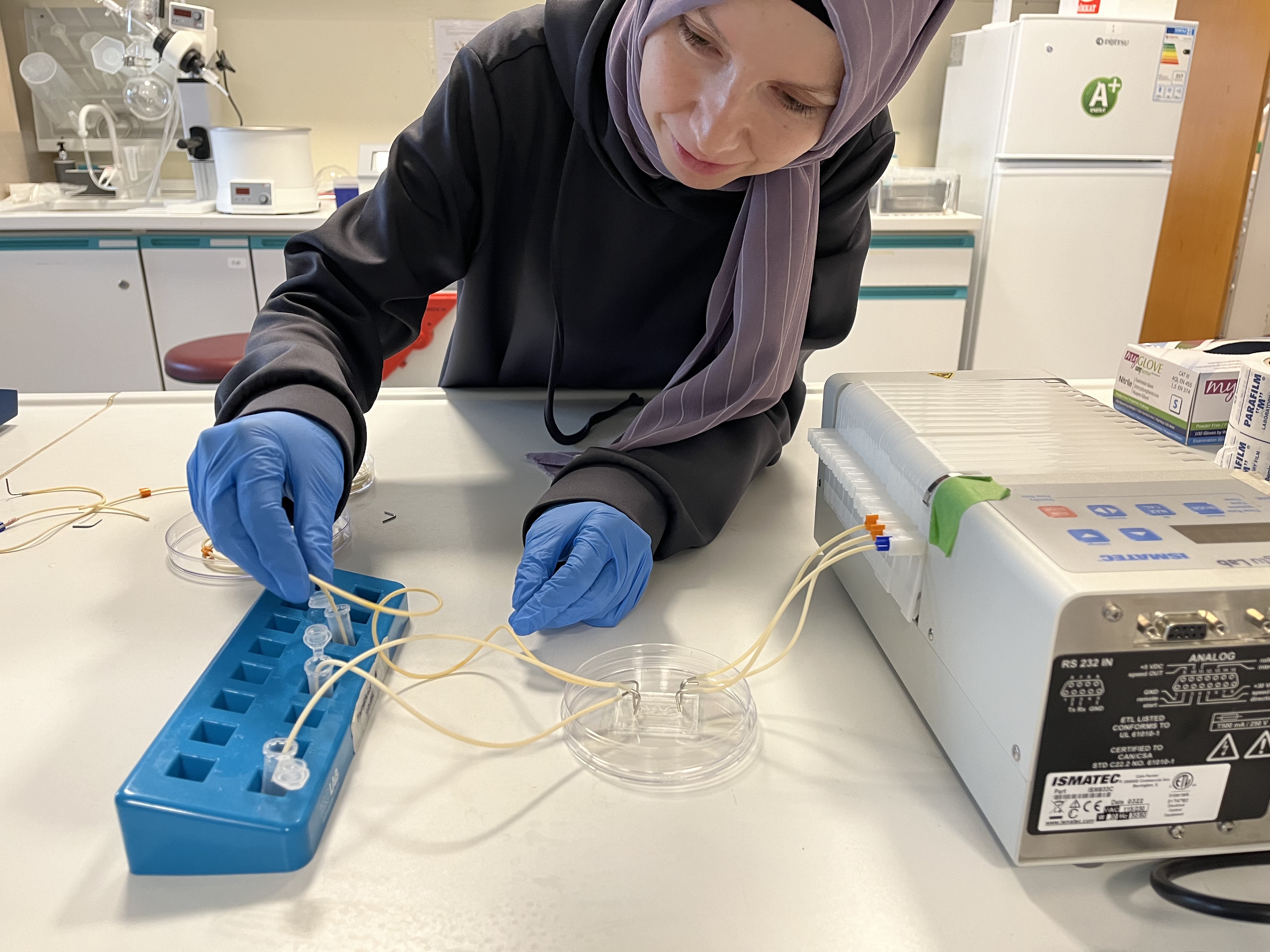
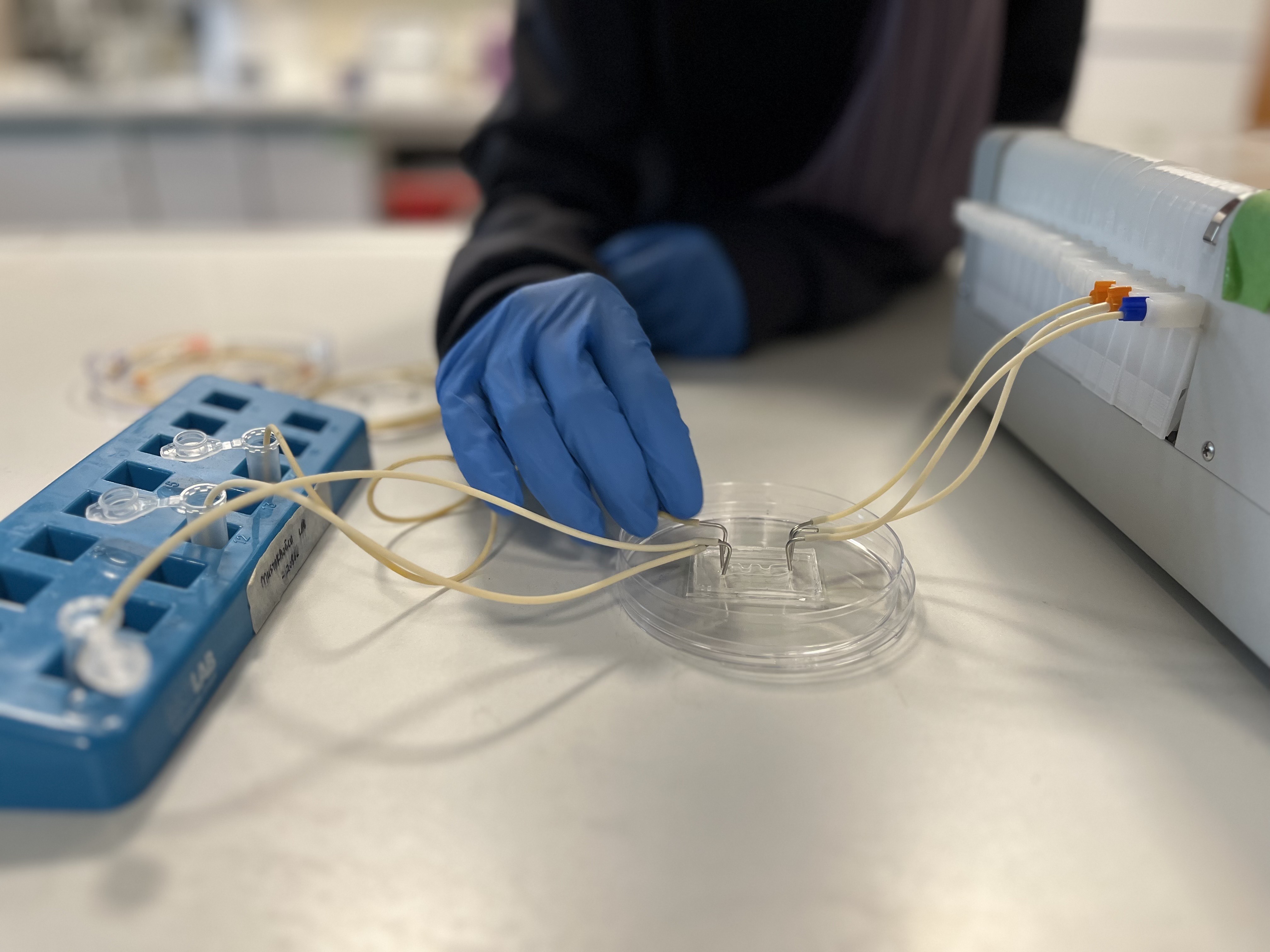
Mustafaoğlu highlights the difficulties encountered in drug delivery to the brain due to the BBB, explaining that they use recently developed organ chip models to model this structure with human cells and then conduct drug tests on them. Organ chips are microfluidic devices that can mimic the complex structures and functions of human organs. These chips are being developed in the Mustafaoğlu Lab. They allow us to understand the effects of drugs without the need for animal or human experiments. Furthermore, this technology paves the way for the development of personalized medical technology.
Mustafaoğlu points out that the experiences she gained while working in the laboratory of Dr. Donald E. Ingber played a significant role in reaching her current level of expertise. Ingber, one of the founders and current director of the Wyss Institute, has made revolutionary contributions in the fields of cell structure, tumor development, tissue engineering, biological systems, nanobiotechnology, and translational medicine through a multidisciplinary approach.
Reasons for Choosing SU for Graduate Studies
Ceylan Demir, who is pursuing her PhD studies at Mustafaoglu Lab, answers this question: “One of the reasons I chose SU for my PhD is the high level of collaboration and cooperation here. I also thought the diverse environment would provide me with diverse experiences. The institutional opportunities here that make life easier also influenced my choice. I believe it's not necessary to go abroad to get a better education. All kinds of opportunities are provided here, and it's possible to communicate with people from all over the world. The most important thing is to choose the right professor, whose working style affects your work in every way.”
The Environment at Mustafaoglu Lab
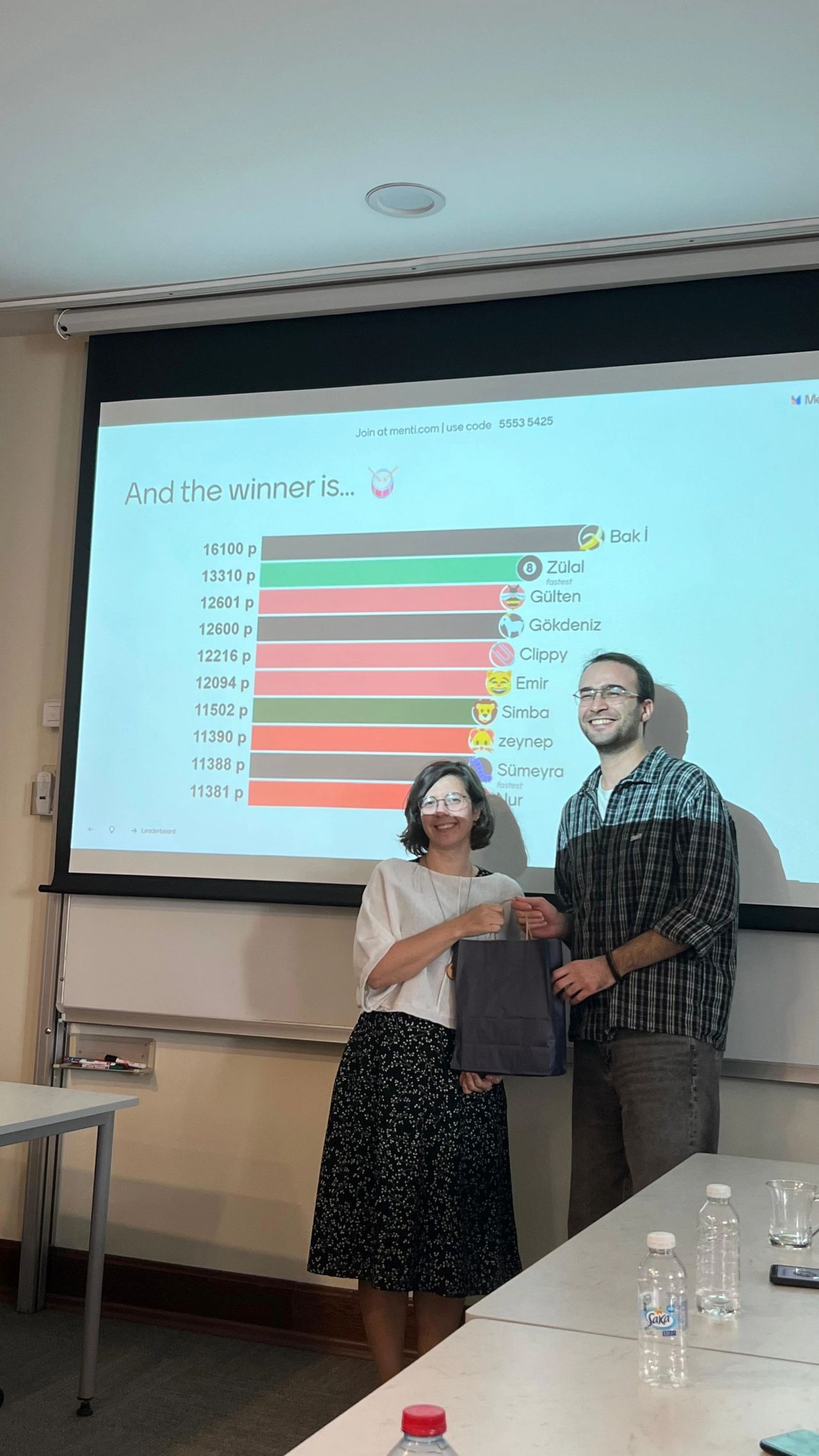
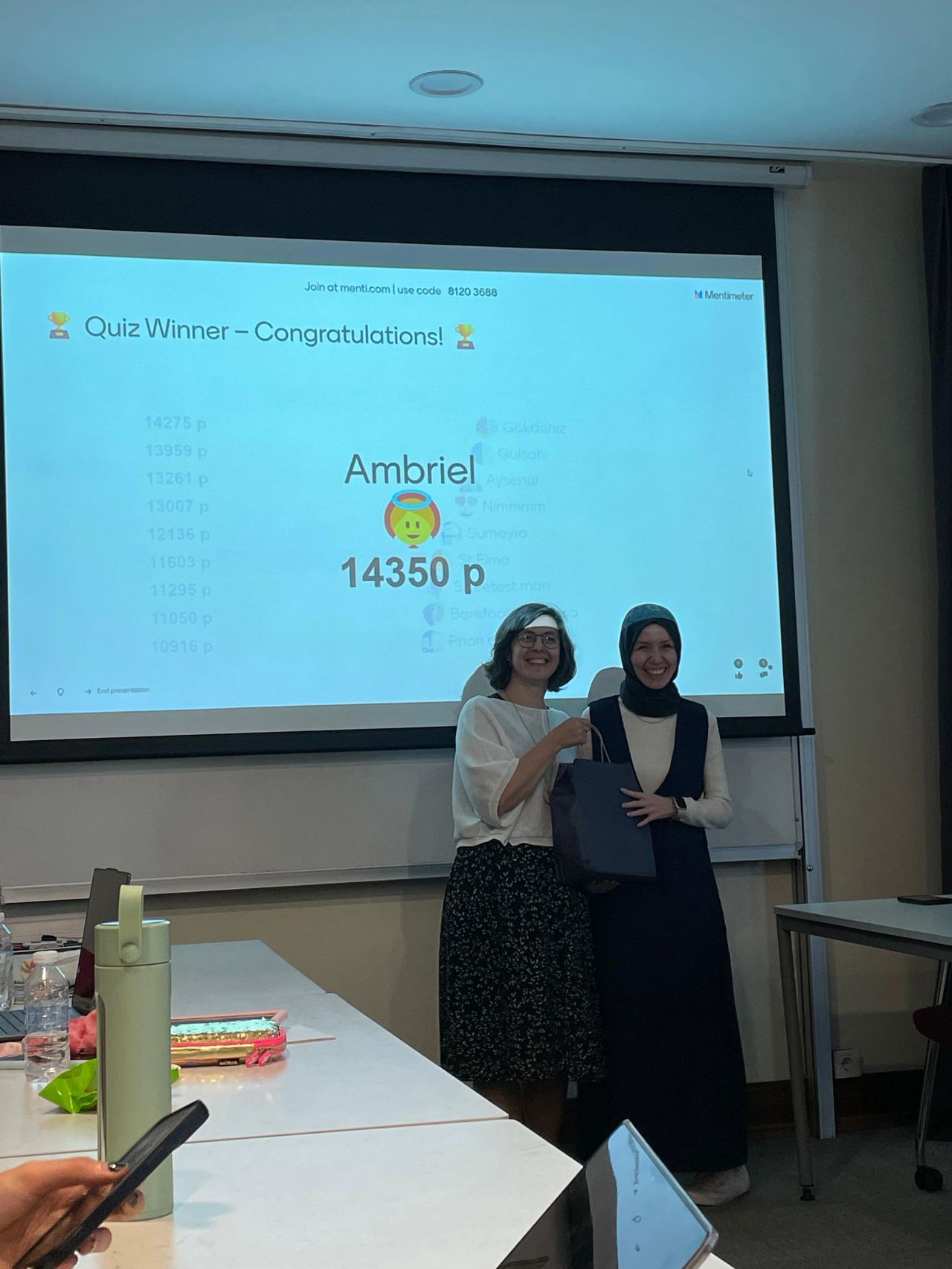
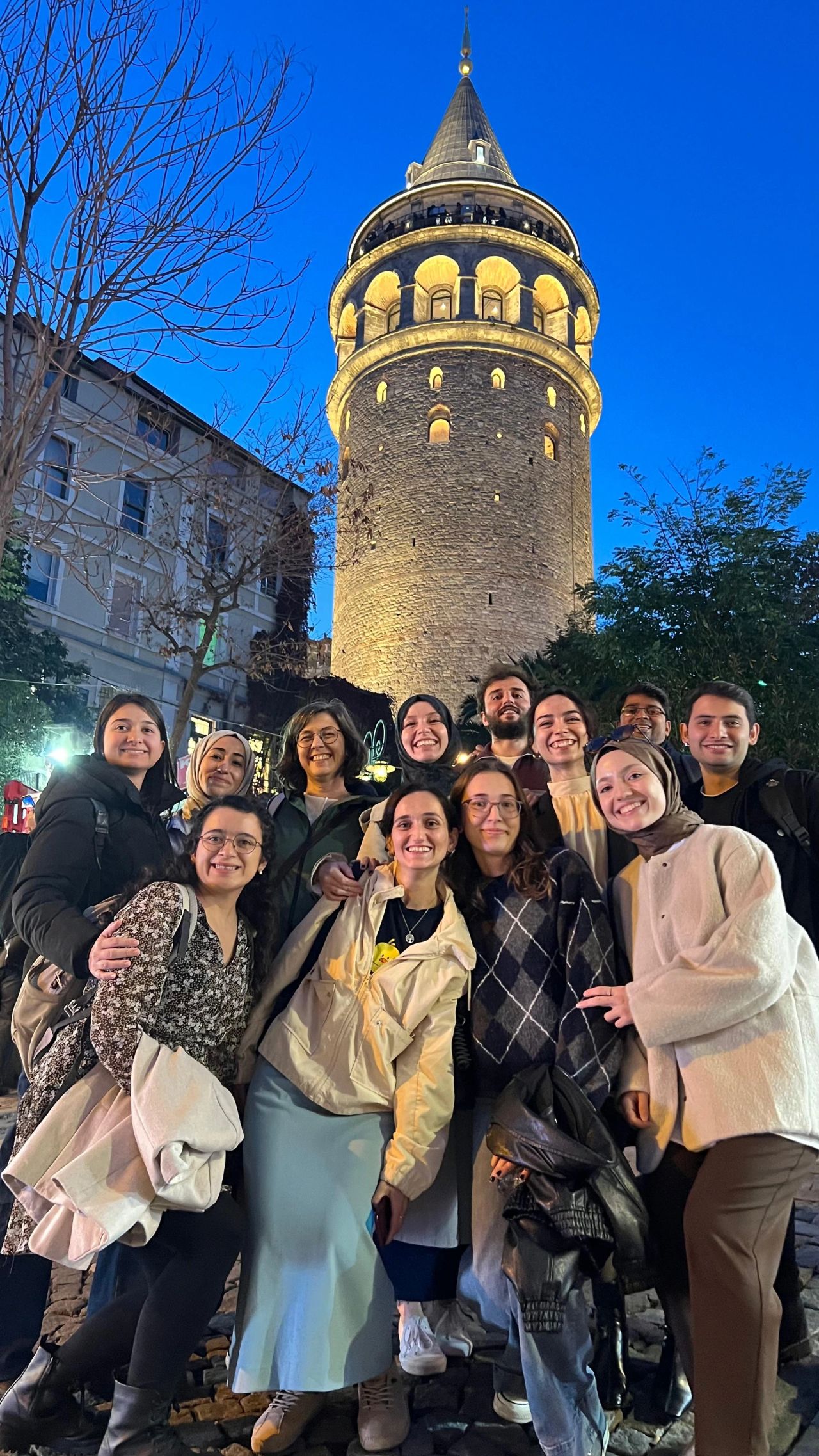
As Ceylan Demir stated, collaboration and cooperation are important factors in the work environment, and we see this characteristic in abundance at Mustafaoğlu Lab.
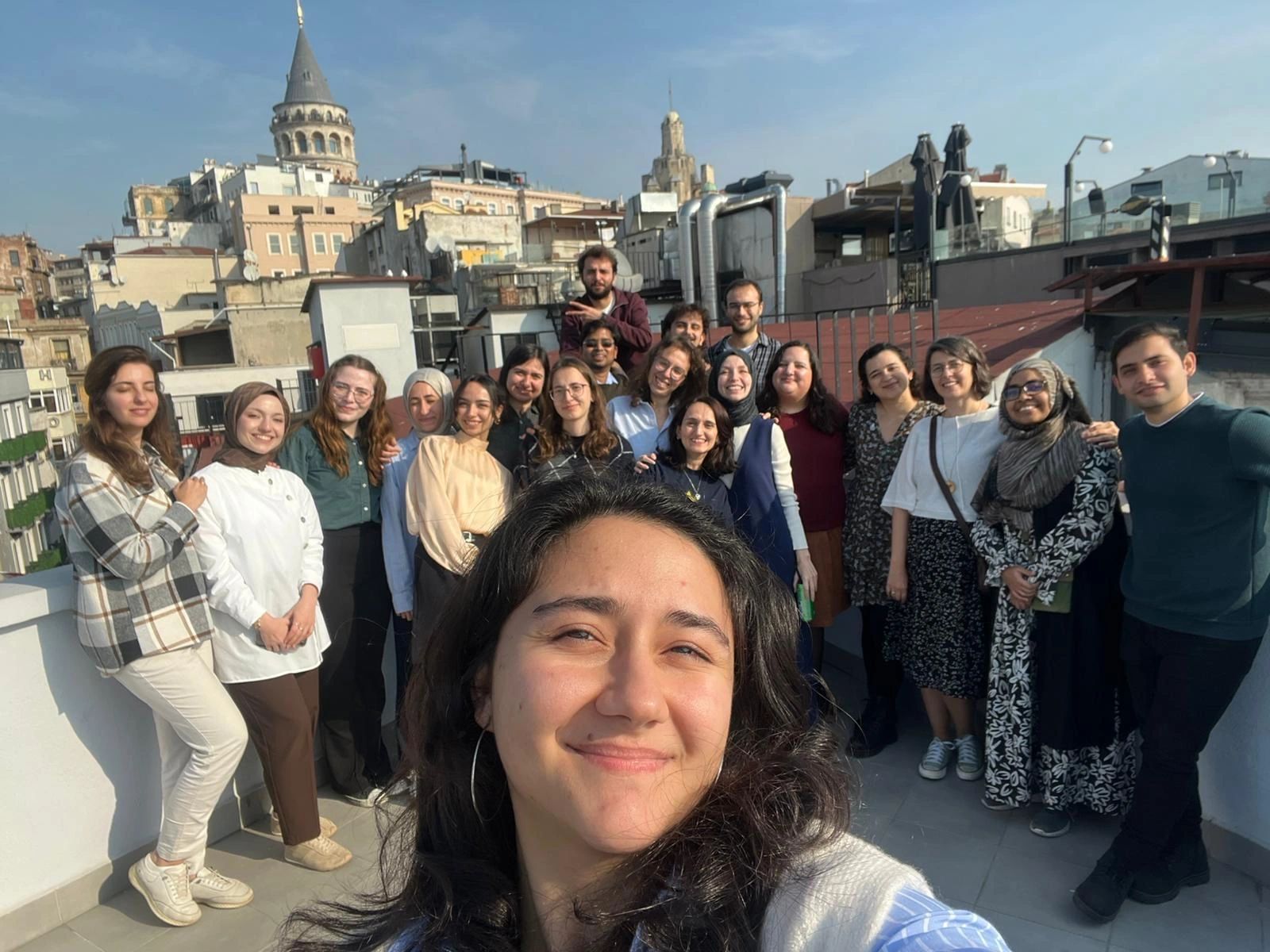
In this dynamic environment, where undergraduate, graduate, doctoral, and postdoctoral researchers from different disciplines work together, there's no other option but to be productive and efficient.
Author: Reyhan Oksay
Translator: Erhan Uçal


